
Modernization beyond the system
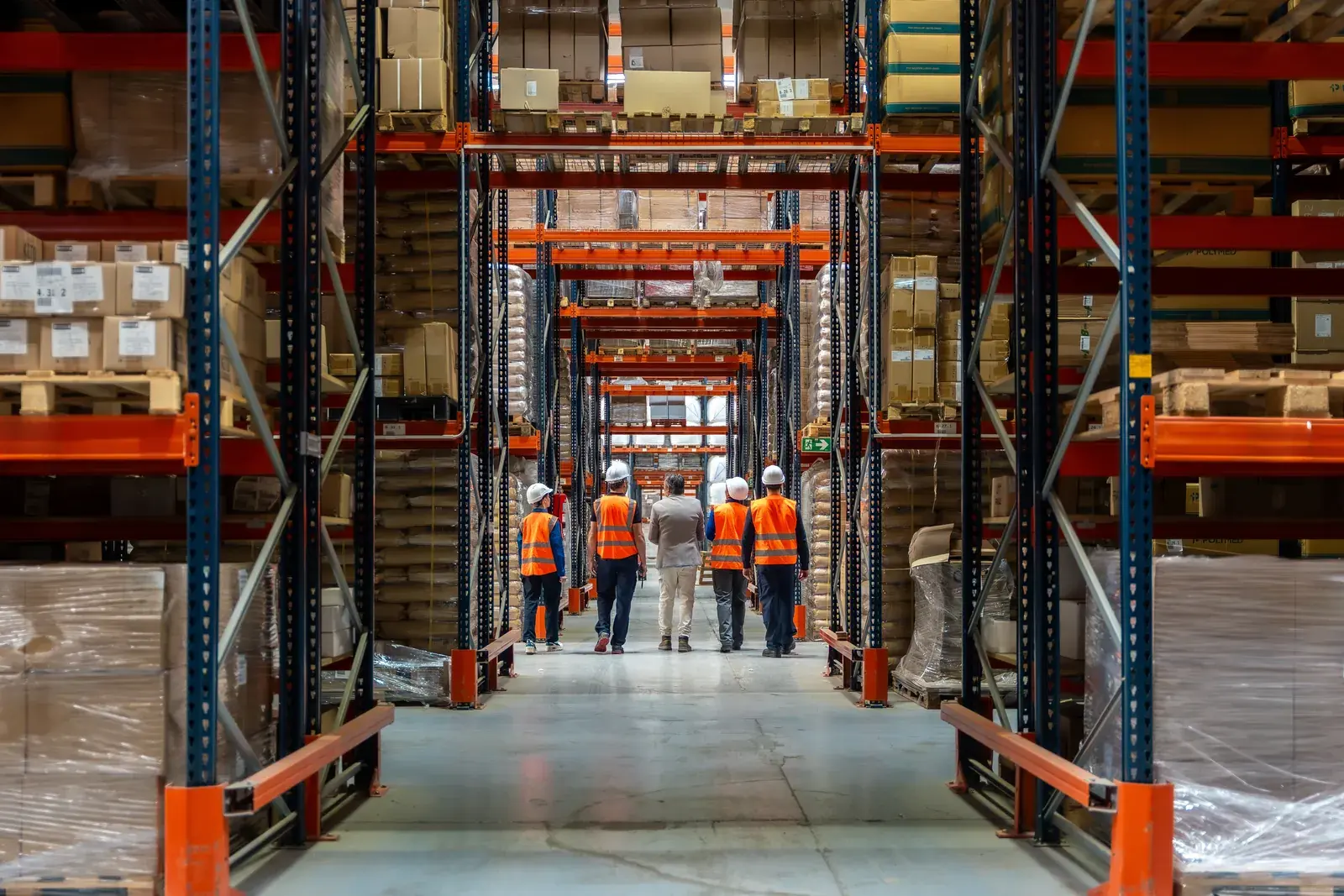
Modernizing the existing small parts warehouse creates a new digital foundation for the entire operation. Proven mechanics and conveyor technology stay in place, while modern controls, visualization and custom built software connect the processes in production, warehouse and administration
Project facts
- System
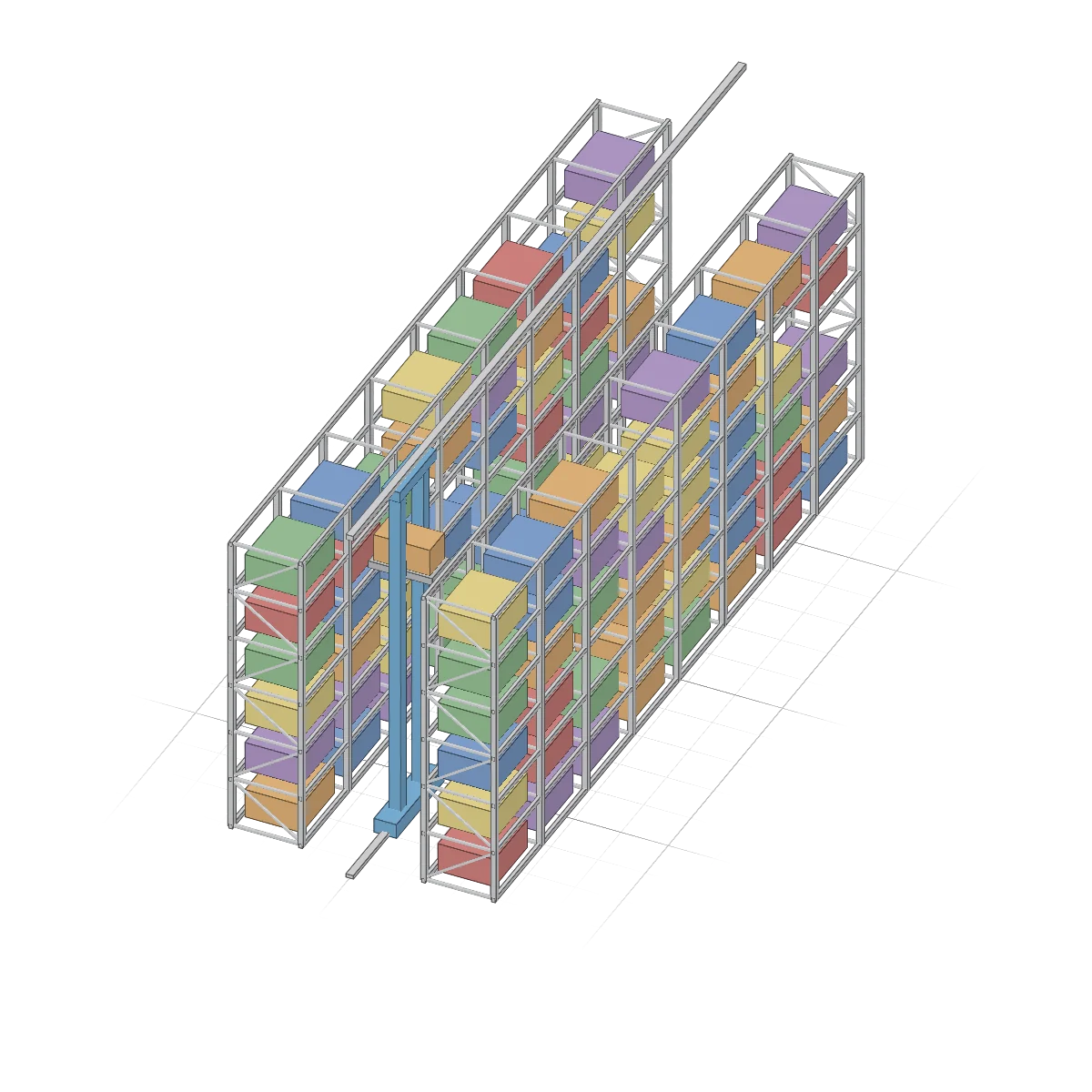
- AS/RSTGW
- Scope
- PLCHMIMESWMSERPDocumentation
- Technologies
- Siemens SIMATICMESWMSERP
- Outcome
- Warehouse hardware retainedSoftware base rebuilt
A proven plant at the limits of its systems
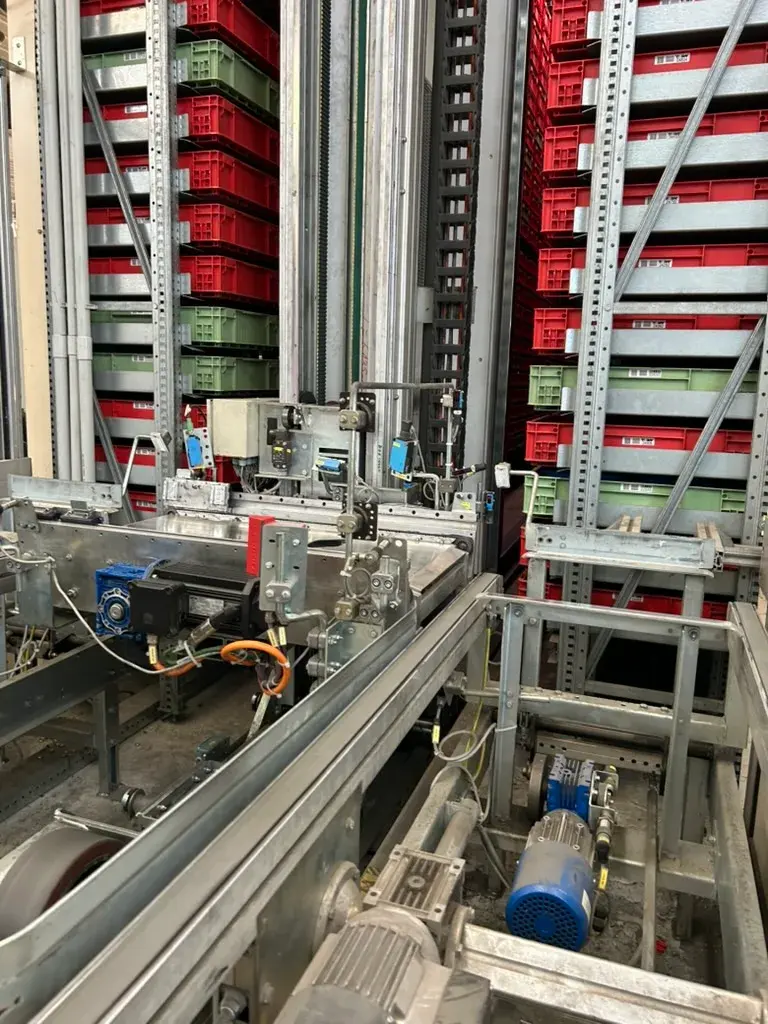
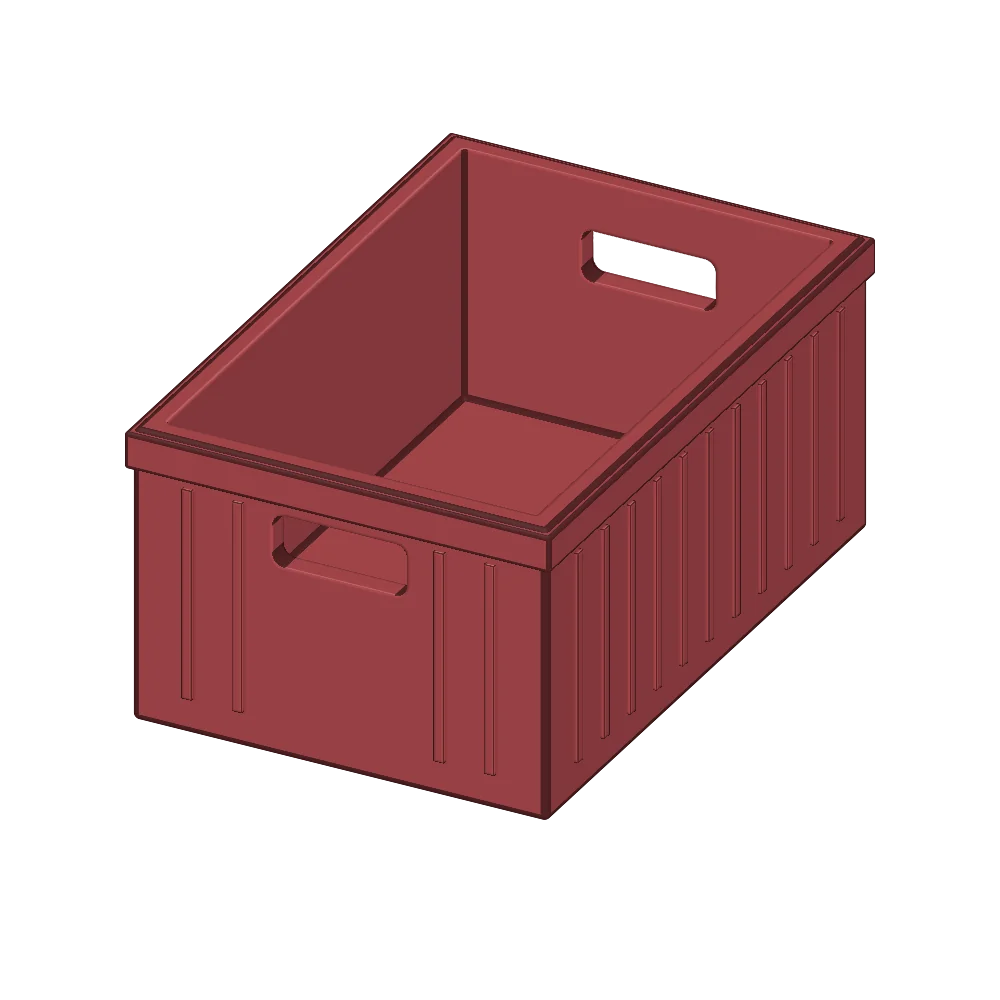
The mechanics and conveyors of the TGW small parts warehouse were still reliable. The existing control and software architecture, however, made maintenance, extensions and the connection of higher level systems difficult
A full replacement would have required a seven figure investment. The task was therefore to preserve the value of the existing plant and create a new technical foundation for its further development
Scope of work
From the controls to the business processes
A new control base
The migration to Siemens SIMATIC creates a maintainable, extendable foundation for plant operation, ready for further systems
Visibility in daily operation
The new user interface makes plant states and sequences easy to follow and supports the staff in daily operation and maintenance
Connected production and warehousing
Custom built MES and WMS solutions bring orders, stock and material movements together, so production and warehouse share one base
Integrated business processes
A custom built ERP solution connects sales, order handling and commercial workflows with manufacturing and the warehouse in one system
Knowledge for operation and development
The technical documentation describes controls, interfaces and operational software in context, a basis for maintenance and extensions
Proven warehouse hardware in continued use
The TGW mechanics and conveyors stay in service, their value preserved and connected with the new control and software architecture
What the modernization enables
PROJECT OUTCOME
Seven figure capital purchase avoided
Proven hardware stays in service
The existing TGW mechanics and conveyors remain in use. Keeping them preserves the value of the plant and avoids a full replacement of the warehouse hardware
A system base that can be understood
Modern controls, clear visualization and technical documentation create clarity about the structure and function of the plant. This gives a reliable basis for maintenance and adjustments
Connection across business units
MES, WMS and ERP bring production, warehouse and commercial workflows together. The integrated software enables a continuous flow of information between the units
Room for further development
Additional functions, new interfaces and further automation steps can build on the renewed architecture. The plant can evolve with the needs of the operation